
 Inspection. Testing. Clear reports.
Electrical Installation Condition Reports (EICR)
Fixed-wire inspection and testing for landlords, homeowners, commercial sites and property managers who need clear answers, practical remedial advice and dependable documentation.
Condition reports with proper context
Understand the condition of the installation before it becomes a problem
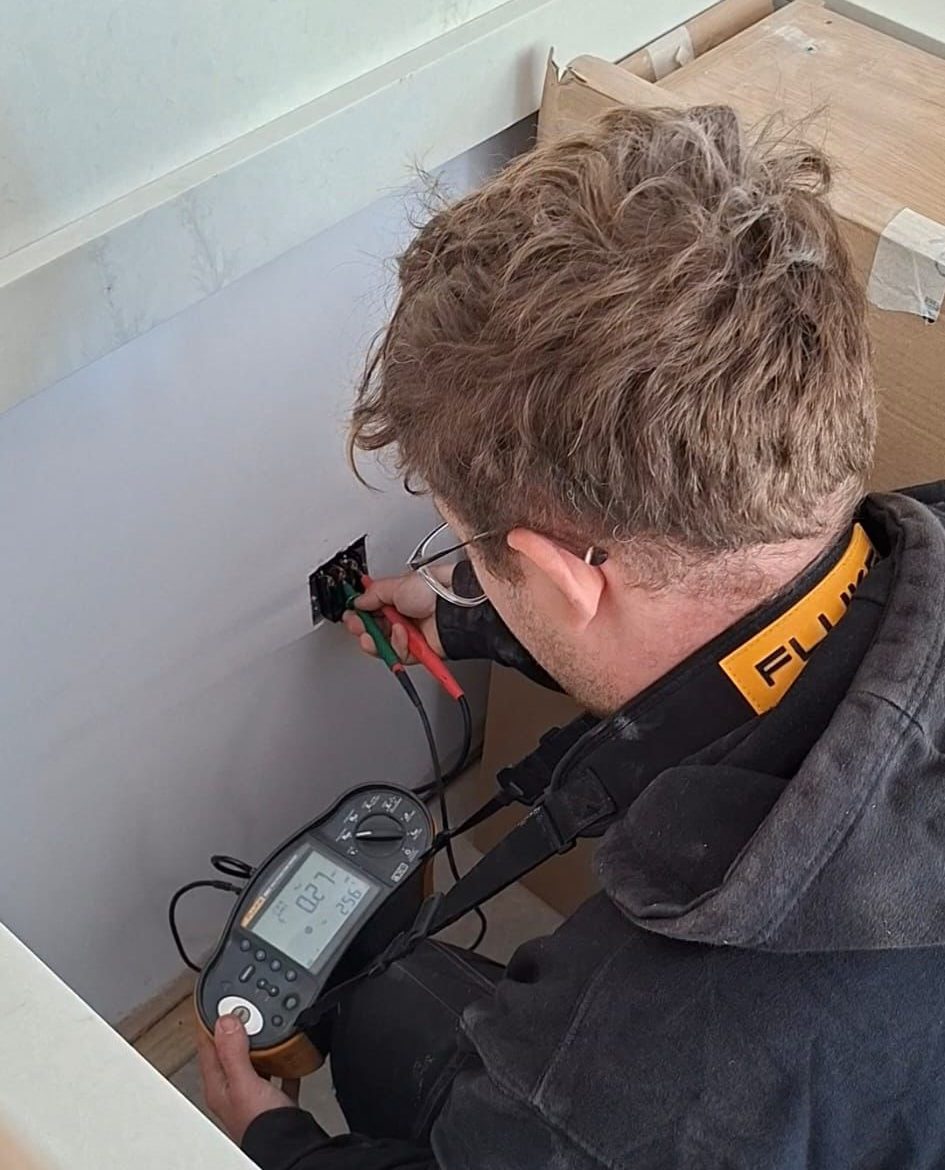
An Electrical Installation Condition Report checks the safety and condition of fixed wiring, consumer units, protective devices, earthing, bonding and accessible circuits. JDH provides inspection-led reporting for domestic, rental, commercial, agricultural and public-sector environments across the East of England.
The visit is planned around the property type, access, circuits, occupancy and the records already available.
Findings are explained in plain English, with priority coding and practical next steps where work is required.
Where defects are found, JDH can quote and complete the remedial work needed to bring the installation back into a safer condition.
Who needs an EICR
Safety evidence for properties people depend on
EICRs are useful wherever responsibility, safety and maintenance planning matter. Some properties need them to meet legal duties; others use them to make better decisions before buying, refurbishing, letting, insuring or maintaining a building.
Landlords and letting agents
Inspection and reporting for rented homes, portfolio management and remedial planning.
Commercial premises
Condition reporting for workplaces, offices, workshops, units, agricultural buildings and managed sites.
Homeowners and buyers
Electrical condition checks before refurbishment, sale, purchase or wider maintenance works.
Education and public sector
Planned inspection support for environments where safe access, records and continuity matter.
Solar PV Considerations
Where solar PV is installed, inspections must include generation equipment and be carried out by NICEIC & MCS accredited electricians competent in renewable systems.
Assessment ensures:
- Continued compliance with BS 7671
- Safe operation of inverter and DC components
- Alignment with network connection requirements
- Evidence of maintenance for insurers
Problem installations
Investigation where age, faults, damage, nuisance tripping or previous workmanship raises concern.
Recommended Inspection Intervals
Typical guidance includes:
Domestic properties
- Around every 10 years
- At change of occupancy
Rental properties
- Every 5 years, or as advised in the report
Commercial premises
- Often every 5 years
- More frequently in higher-risk environments
Actual intervals depend on installation condition and usage.
Report outcomes
Codes that lead to clear decisions
A useful EICR does more than list observations. It helps the responsible person understand urgency, risk and the work needed next. JDH keeps the language direct, so the report can support compliance, budgeting and safe remedial planning.
What JDH looks for
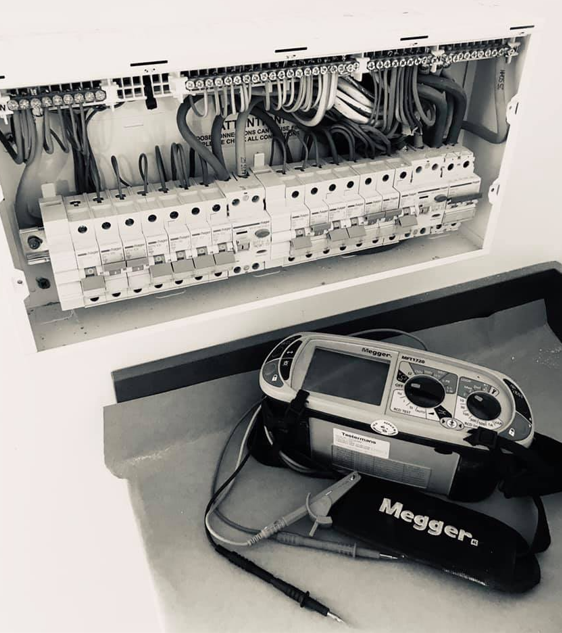
Inspection and testing are shaped around the installation, but common checks include protective devices, circuit condition, earthing and bonding, polarity, insulation resistance, RCD performance, consumer units, accessories and visible signs of damage or poor workmanship.
- Domestic, rental, commercial and agricultural fixed-wire testing.
- Reports that explain findings and make priority clear.
- Remedial works planned around access, safety and disruption.
- Practical advice for keeping fixed wiring safe, compliant and properly maintained.

Landlords, workplaces and duty holders
Why Periodic Inspection Matters
For rented homes in England, electrical installations must be inspected and tested by a qualified person at least every five years unless the report sets an earlier date. For workplaces and commercial premises, inspection frequency should reflect the type of installation, environment and risk. JDH helps responsible owners and managers make those decisions with clear evidence.
Reports and remedial advice for landlords, letting agents and managed portfolios.
Testing planned around business continuity, access and the operational risk of electrical failure.
Issues are prioritised so urgent safety work is separated from recommended improvements.
How the process works
Disciplined testing, clear paperwork, practical next steps
Scope
The property type, access, existing records and reason for testing are confirmed before the visit.
Inspect
Accessible parts of the fixed installation are visually inspected for age, damage, suitability and safety concerns.
Test
Electrical tests are carried out to assess circuit condition, protection and disconnection arrangements.
Report
The EICR records the results, observations, classification codes and whether the installation is satisfactory.
Resolve
Where defects are identified, JDH can plan and complete remedial work with proper documentation.
Common EICR questions
EICR FAQs
Book inspection and testing
Get a clear view of electrical condition.
Arrange an EICR for a home, rental property, commercial premises, agricultural building or managed portfolio.