
 Store. Manage. Use more of your energy.
Energy Storage
Battery storage designed around solar PV, electrical demand, tariffs and future site requirements, helping homes and businesses use more of the energy they generate.
Storage with an electrical engineering view
Make generated power work harder after the sun drops
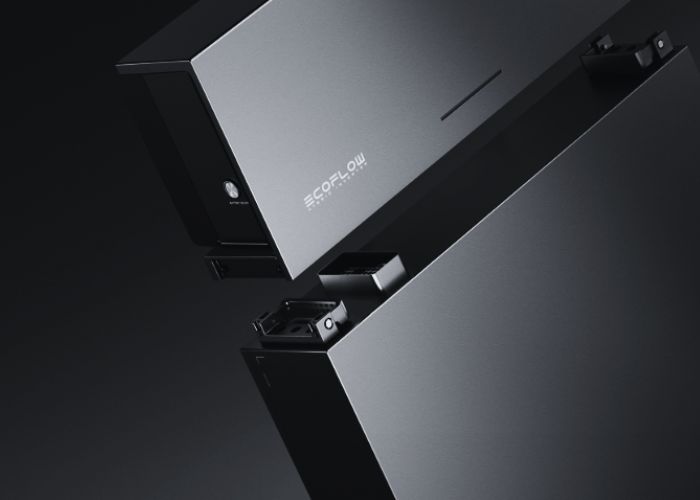
Battery storage can improve how a property uses solar PV by holding excess generation for later demand. The best results come from careful sizing, suitable equipment, safe installation and honest modelling of how the building actually uses electricity.
Storage capacity is considered against daily usage, peak loads, solar generation, import tariffs and export assumptions.
Battery storage should work with the consumer unit, inverter, metering, monitoring and any existing or planned solar PV system.
Location, ventilation, access, isolation, protection and manufacturer requirements are reviewed before the system is specified.
Where storage helps
More control over how electricity is used
Battery storage is not right for every property, but where the usage profile is suitable it can support lower grid reliance, smarter solar use and better planning for future electrical demand.
Solar self-consumption
Store surplus daytime generation and use more of it later, instead of exporting everything immediately.
Commercial load management
Support sites with predictable demand, daytime generation and a need to understand energy cost exposure.
EV charging strategy
Plan battery storage alongside EV charging so site capacity and charging patterns are considered early.
Time-of-use tariffs
Where tariffs allow, storage can be assessed for charging at lower-cost periods and using energy later.
Future upgrades
Storage can be considered with solar PV, heat pumps, outbuildings, workshops and wider electrical upgrades.
Monitoring and visibility
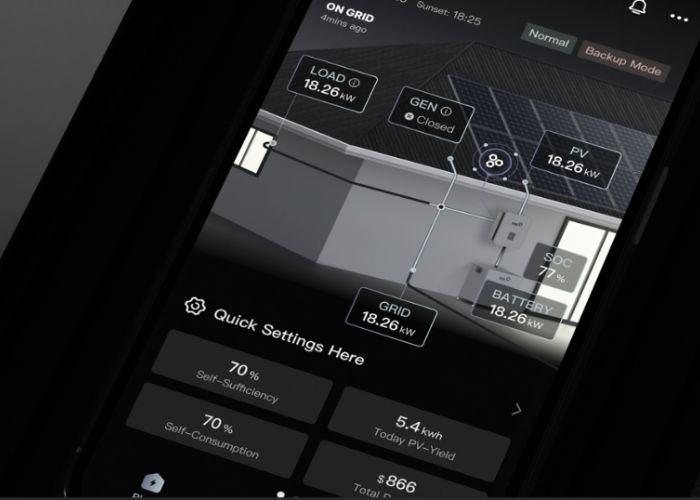
A good system should help owners understand generation, storage, import, export and usage patterns.
Sizing and specification
The right battery is the one that suits the site
Oversizing can waste budget, while undersizing can leave too much value on the table. JDH considers the electrical installation, solar output, demand profile and future plans before recommending a storage route.
What shapes the design
Battery storage design starts with the property, not a product brochure. The aim is to specify equipment that has a clear role, is installed safely and can be maintained properly.
What JDH can support
JDH can assess battery storage as a standalone upgrade, part of a solar PV project, or part of a wider energy plan for a home, business, agricultural site or managed property.
- New solar PV and battery storage projects.
- Battery-ready solar PV designs for future installation.
- Commercial storage feasibility and staged roll-out planning.
- Integration with EV charging and electrical upgrade work.
- Clear handover, monitoring guidance and maintenance advice.
Homes, businesses and sites
Storage should be useful, not just impressive on paper
For homeowners, storage can help make better use of daytime solar generation. For commercial and agricultural sites, it can form part of a wider strategy for energy cost control, EV charging, resilience planning and sustainability targets.
Designed around solar generation, evening demand, tariff options and future electrical requirements.
Assessed against operational demand, roof generation, consumption data and budget priorities.
Considered alongside consumer unit upgrades, three-phase supplies, EV charging and renewable expansion.
Project route
From energy profile to installed system
Review
Existing usage, solar PV plans, import/export position and electrical capacity are reviewed.
Model
Storage is assessed against realistic demand, generation and tariff assumptions.
Specify
Equipment, location, protection, monitoring and access requirements are considered.
Install
Works are planned around safety, manufacturer guidance, electrical integration and disruption.
Handover
JDH explains system operation, monitoring and ongoing maintenance considerations.
Common battery storage questions
Energy Storage FAQs
Plan storage properly
Use more of the energy your site can generate.
Speak to JDH about battery storage for a home, commercial site, agricultural building or renewable energy project.