
 Home. Workplace. Development charging.
EV Charging
Electric vehicle chargepoint installation and infrastructure planning for homes, workplaces, landlords, developments and commercial sites across the East of England.
EV charging with electrical design behind it
Charge safely at home, at work or across a site
A dedicated EV chargepoint is a high-demand electrical installation, not just an accessory on the wall. JDH reviews the supply, earthing arrangement, protective devices, cable route, charger location and future usage before recommending the right installation route.
Existing capacity, consumer unit condition, earthing, load and cable routes are reviewed before installation.
Specification is shaped around the vehicle, property, parking position, controls, monitoring and user needs.
Solar PV, battery storage, multiple vehicles and future site demand can be considered at the same time.
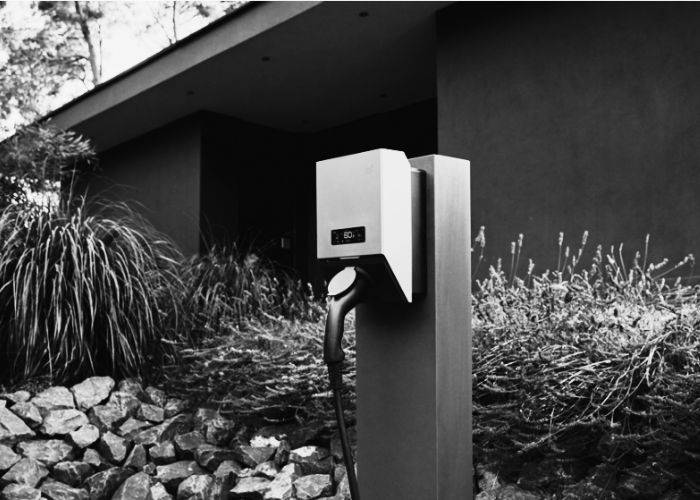
Where JDH installs EV charging
Chargepoint support for homes, businesses and developments
EV charging requirements vary sharply between a private driveway, rental property, office car park, agricultural site or new-build development. JDH plans the installation around the real electrical and practical constraints.
Home chargepoints
Dedicated EV chargers for domestic driveways, garages and homes preparing for regular vehicle charging.
Workplace charging
Charging for staff, visitors and fleet vehicles, with load planning and future expansion considered.
Landlords and managed properties
Practical advice for rental properties, communal parking and grant-aware installation routes where relevant.
New-build developments
EV charging and cable-route infrastructure considered early alongside electrical design and parking layouts.
Commercial and agricultural sites
Charger planning for working premises where access, load, vehicles and uptime all matter.
Solar and storage integration
EV charging can be considered alongside solar PV and battery storage for a more joined-up energy strategy.
Specification and installation
The charger is only one part of the system
Good EV charging design balances convenience with electrical safety. JDH checks whether the installation is suitable before work starts, then installs with clear records and practical handover advice.
What shapes the design
Before specifying a charger, JDH considers how the vehicle will be charged, where the charger will sit and what the electrical installation can safely support.
- Existing supply capacity and consumer unit condition.
- Cable route, parking position and charger location.
- Earthing arrangement, protection and isolation requirements.
- Wi-Fi or data requirements for smart charging features.
- Future EVs, solar PV, battery storage and site expansion.
Planning for compliance
For new buildings and major renovations in England, Approved Document S sets requirements for electric vehicle charging infrastructure where it applies. JDH can also advise on OZEV grant routes where customers may be eligible and the installation meets scheme conditions.
- EV charging for homes, workplaces and developments.
- Infrastructure and cable routes planned before finishes restrict access.
- Grant-aware advice without promising eligibility.
- Testing, commissioning and handover information provided clearly.
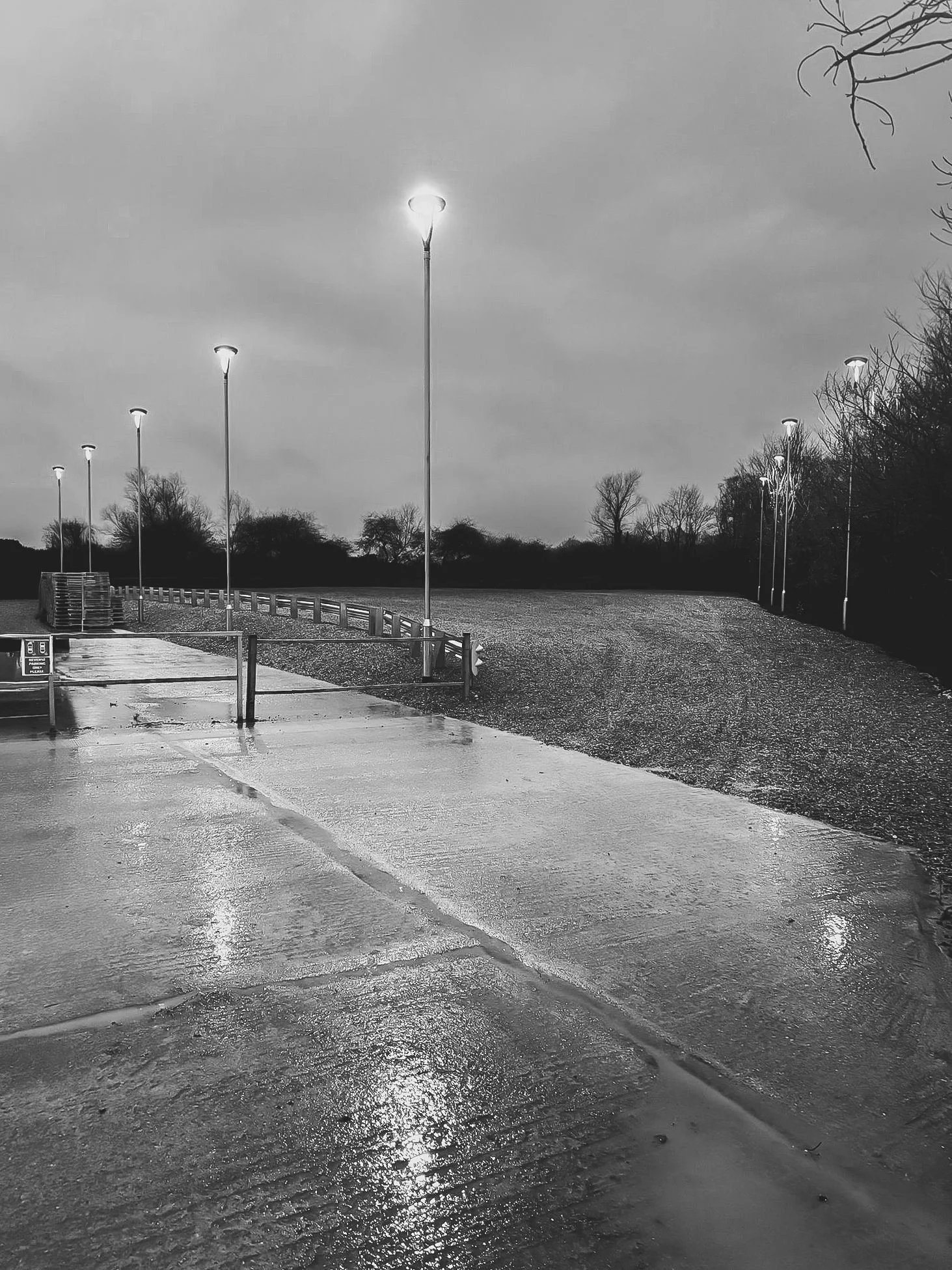
Developments and commercial sites
Build charging into the infrastructure, not around it later
For developers, landlords and businesses, EV charging works best when it is considered early. Cable routes, parking layouts, distribution, metering and future demand can all affect the cost and practicality of the final installation.
Chargepoints and cable routes can be considered alongside the wider electrical design and Approved Document S requirements where relevant.
Charging can be phased so the initial installation supports current demand without blocking future growth.
EV charging can be planned with solar PV and battery storage to support a more coherent site energy plan.
Project route
From supply check to ready-to-use charging
Assess
The supply, consumer unit, earthing, load and proposed charger location are reviewed.
Specify
The charger, route, protection and control requirements are shaped around the property and usage.
Install
Cabling, protection, mounting and commissioning are completed with tidy workmanship.
Test
The installation is tested and checked before handover, with relevant records provided.
Support
JDH explains basic operation, smart features and any future upgrade considerations.
Solar, storage and smart charging
Connect charging to the wider energy plan
An EV can become one of the largest electrical loads on a property. JDH can consider charging alongside solar PV, battery storage and future electrical upgrades so the installation supports how the building will be used over time.
Assess whether generated energy can support charging patterns, subject to usage and system design.
Consider battery storage where it forms part of a realistic energy strategy for the property or site.
Look at charger features, scheduling, load management and monitoring requirements before choosing equipment.

Common EV charging questions
EV Charging FAQs
Plan charging safely
Install EV charging around the property, not just the vehicle.
Speak to JDH about EV chargepoints for homes, workplaces, rental properties, developments and commercial sites.