
 MCS-accredited commercial solar
Commercial Solar PV
Solar PV designed around commercial energy use, roof space, cashflow and long-term asset performance. JDH supports businesses, agricultural sites, education settings and managed estates across the East of England.
Solar built for business decisions
Lower operating costs without compromising the site
Commercial solar is not just a panel count. It has to suit the building, the electrical infrastructure, the way the site uses power and the financial case behind the investment. JDH brings the electrical engineering and renewable energy experience together, so the system is designed as a working asset rather than a bolt-on upgrade.
System sizing is shaped around half-hourly data, operational patterns, likely self-consumption and export assumptions.
Installation planning considers roof access, disruption, plant rooms, metering, containment, shutdown windows and health and safety requirements.
Solar PV can be considered alongside battery storage, EV charging and wider electrical upgrades so the site is not boxed in later.
Where it fits
Commercial sites with serious energy demand
JDH works with organisations that need clear advice, credible design and careful installation. The aim is simple: reduce reliance on imported electricity, strengthen sustainability reporting and create a system that keeps performing.
Warehouses and industrial units
Large roof areas, daytime demand and predictable operating patterns can make PV a strong commercial fit.
Agricultural buildings
Farm buildings, processing facilities and rural estates can be assessed for generation, export and resilience opportunities.
Education and public sector
Schools and public buildings benefit from professional planning, safeguarding around access and clear documentation.
Managed portfolios
Multi-site organisations can standardise surveys, reporting, maintenance planning and procurement decisions across locations.
Finance and payback
Evidence-led numbers, not sales theatre
Commercial finance information should be clear, practical and easy to compare. JDH presents the investment case in plain English, including capital purchase, green loan and zero-capital options where appropriate.
Indicative business model
A typical commercial review can model a 49.70 kWp solar PV system to show the kind of figures a business may want to review before committing.
Important: these are indicative example figures, not a universal promise. Actual outcomes depend on site survey, consumption profile, tariffs, export arrangements, finance terms and DNO approval.
Capital purchase, green loans and zero-capital routes
For the right site, structured finance can allow solar PV to be considered without tying up capital that the business needs elsewhere. JDH helps businesses compare the options in relation to projected savings and operational priorities.
- Commercial solar PV modelled against actual site demand, not generic assumptions.
- Green loan and pay-as-you-save style routes considered where suitable and subject to lender approval.
- Battery storage and EV charging can be assessed as part of the same energy strategy.
- Export value is treated carefully because SEG or power purchase arrangements depend on eligibility and supplier terms.
DNO, export and compliance
Plan the connection before the programme is committed
Commercial systems often need early attention on grid connection, export limits and commissioning evidence. JDH can coordinate the relevant DNO application route, including G99 where required, so the commercial model is built on realistic connection assumptions.
Design and installation through recognised renewable energy assessment routes where applicable.
Connection applications, export constraints and approval timescales considered before installation starts.
Reliable, warrantied equipment selected for long-term performance, support and maintenance access.
Project route
From feasibility to a working commercial asset
Understand the site first
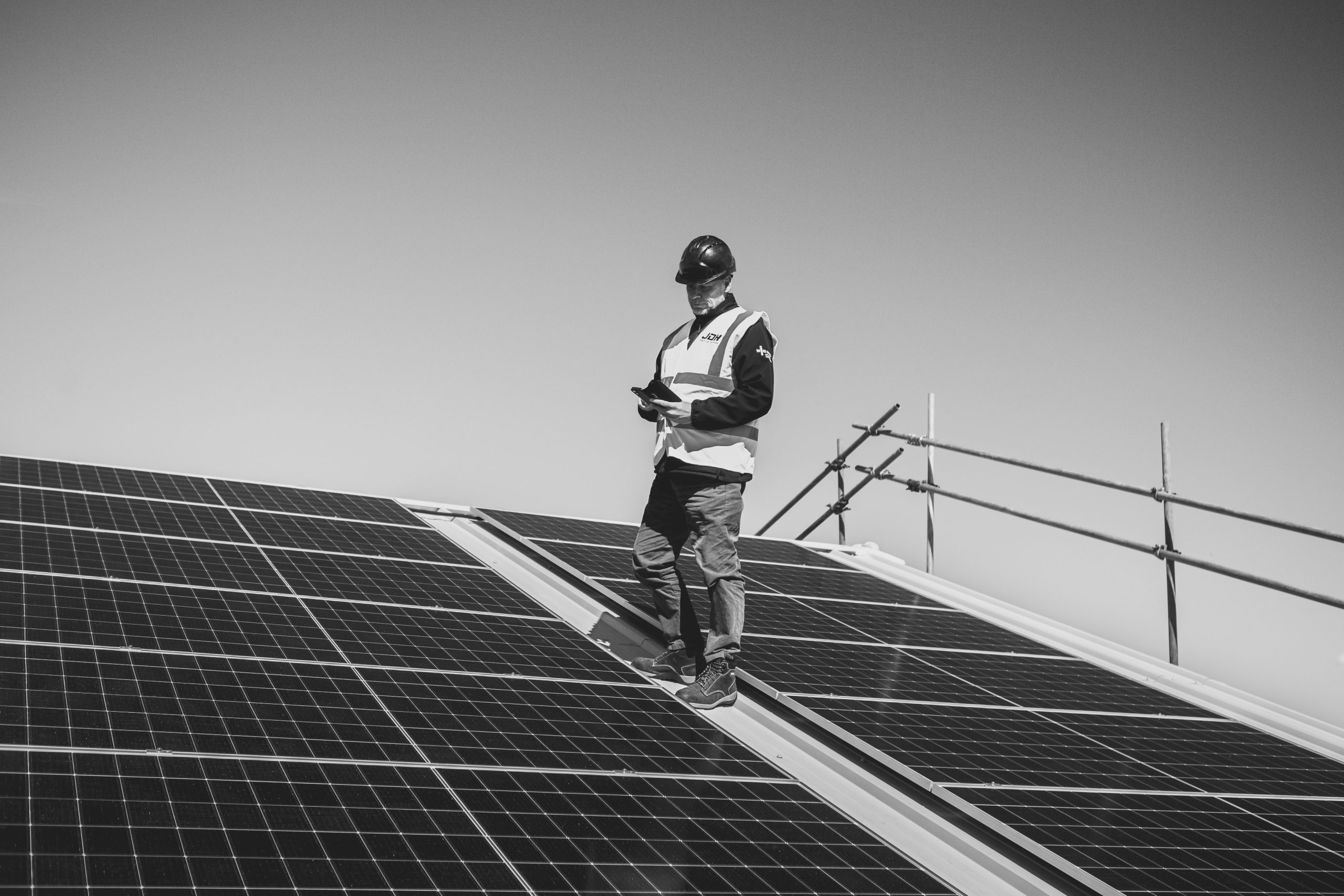
Roof condition, orientation, electrical capacity, metering, plant access and operational constraints are reviewed before the specification is shaped.

Model the commercial case
Expected generation is assessed against site demand, import costs, export assumptions and finance options, giving your organisation clearer numbers before commitment.
Design with approvals in mind
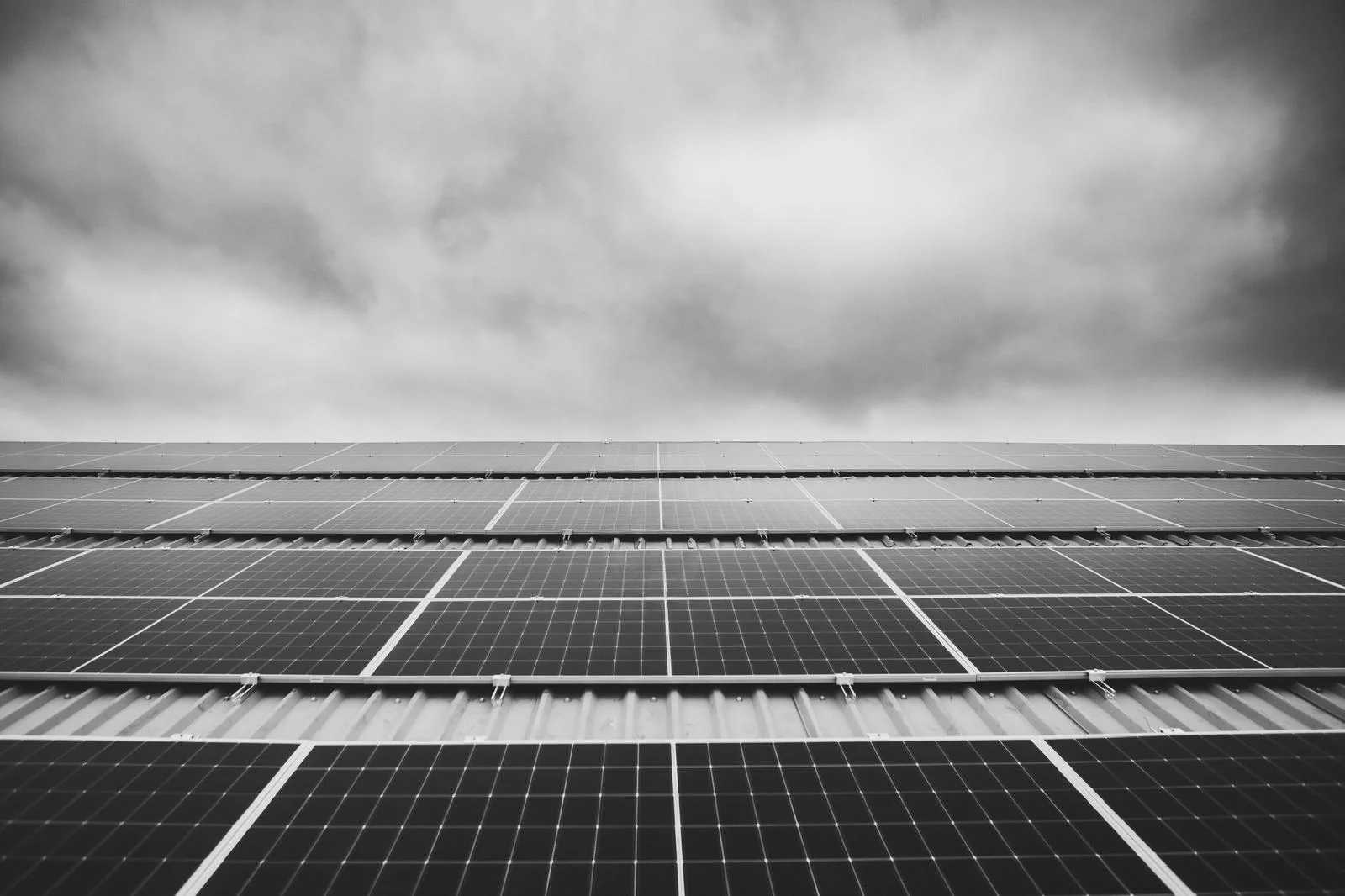
The electrical design, DNO requirements and export position are considered together, reducing the risk of late surprises affecting payback or programme.
Install with minimal disruption
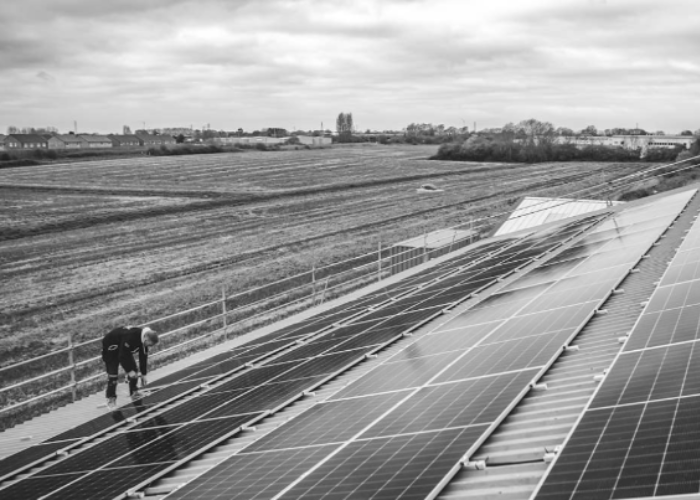
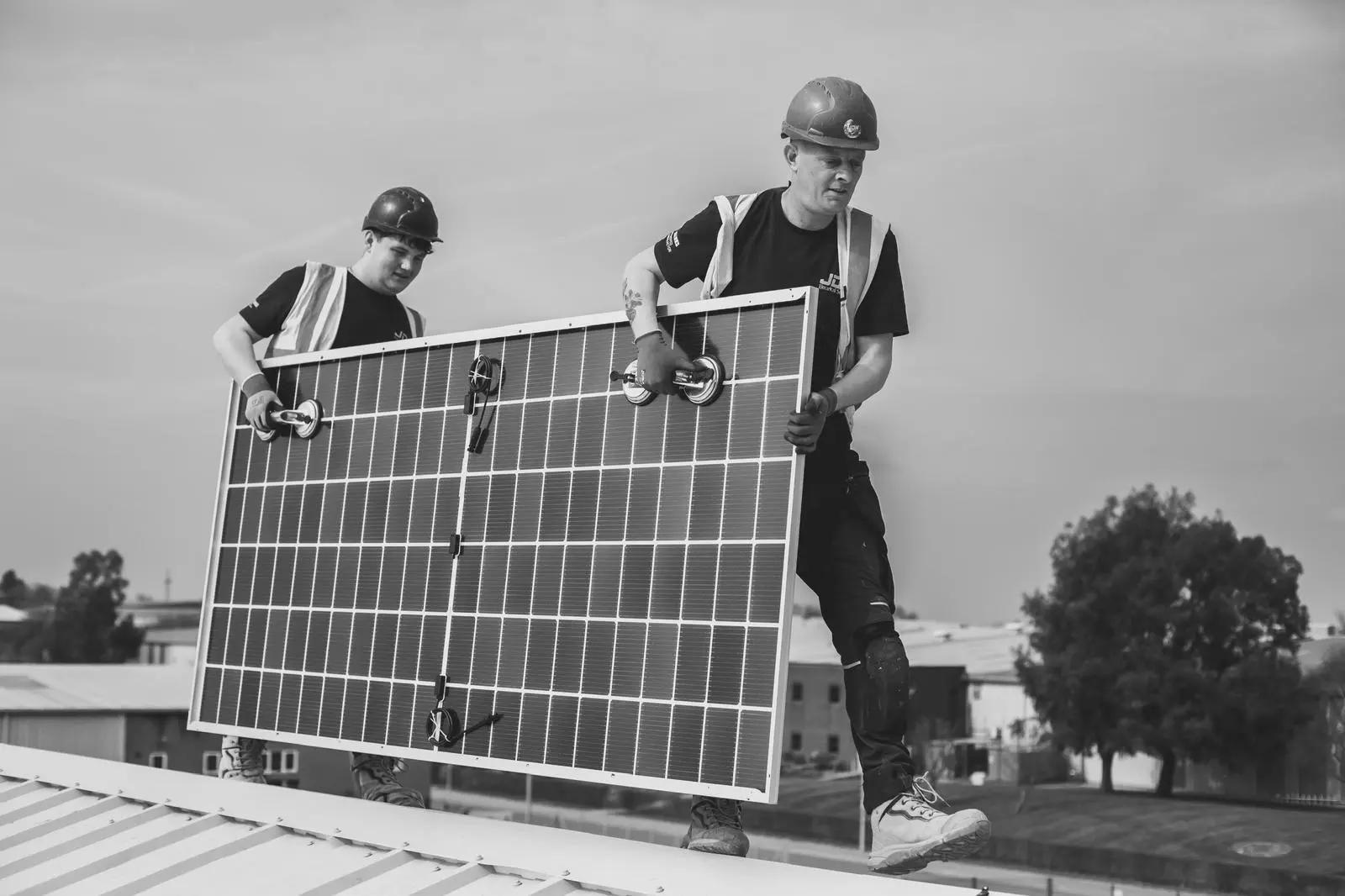
Site safety, working-at-height planning, electrical shutdowns and commissioning are coordinated so the project lands cleanly around day-to-day operations.
Keep performance visible
Handover information, monitoring guidance, warranty detail and maintenance advice help the business understand how the system should perform over time.
Questions businesses usually ask
Commercial Solar PV FAQs
Ready to assess the opportunity
Make the roof work harder for the business
Start with a commercial solar PV review covering roof suitability, electrical capacity, generation potential, DNO requirements and the investment case.