
 Home solar. Storage-ready. Professionally installed.
Residential Solar PV
Solar PV design and installation for homes across the East of England, planned around roof space, electrical safety, household usage and long-term performance.
Solar designed around the home
Reduce reliance on the grid with a system that suits how you use energy
Domestic solar works best when the design is shaped around the property, not just the number of panels that can fit on a roof. JDH reviews roof layout, shading, cable routes, consumer unit condition, generation potential and how the household uses electricity before recommending the right route.
Orientation, pitch, shading, access and available space are considered before specification.
Inverter location, cable routes, protection, isolation and connection to the existing installation are planned properly.
Panel layout, inverter choice, storage readiness and monitoring are shaped around daily electricity demand.

Where residential solar fits
Solar support for homes, renovations and future-ready properties
JDH supports homeowners who want solar to be part of a more efficient, better planned electrical system. That can include battery storage, EV charging, extensions, refurbishments and new-build homes.
Existing homes
Solar PV for properties where the roof, consumer unit and cable routes need careful assessment before installation.
Home renovations
Solar considered during upgrades, rewires, extensions or heating changes so energy systems work together.
Battery-ready systems
Designs can allow for battery storage now or later, depending on usage, budget and installation constraints.
EV charging
Solar can be assessed alongside EV charging where daytime generation and vehicle usage make it practical.
Landlords and portfolios
Clear advice for rental properties and managed homes where documentation, safety and maintainability matter.
New-build homes
Early input for developers and architects so PV, storage and electrical infrastructure are planned before finishes close access.
Specification and installation
A better system starts before the panels go on the roof
Good residential solar PV is a joined-up electrical installation. JDH focuses on survey quality, system design, safe installation, commissioning and clear handover so the property owner understands what has been installed and how to look after it.
What shapes the design
The right specification depends on the property, the household and the electrical infrastructure already in place.
- Roof orientation, pitch, shading and available panel area.
- Daily usage patterns and likely self-consumption.
- Inverter location, cable containment and isolation points.
- Consumer unit condition and wider electrical safety considerations.
- Future battery storage, EV charging and smart controls.
Export and documentation
Solar PV can reduce electricity imported from the grid, and eligible systems may also receive export payments through a Smart Export Guarantee tariff. JDH keeps the route practical and documentation-led.
- MCS-led design and installation route where required.
- Smart meter and export considerations explained clearly.
- SEG discussed as a tariff route, not guaranteed income.
- Testing, commissioning and handover information provided.
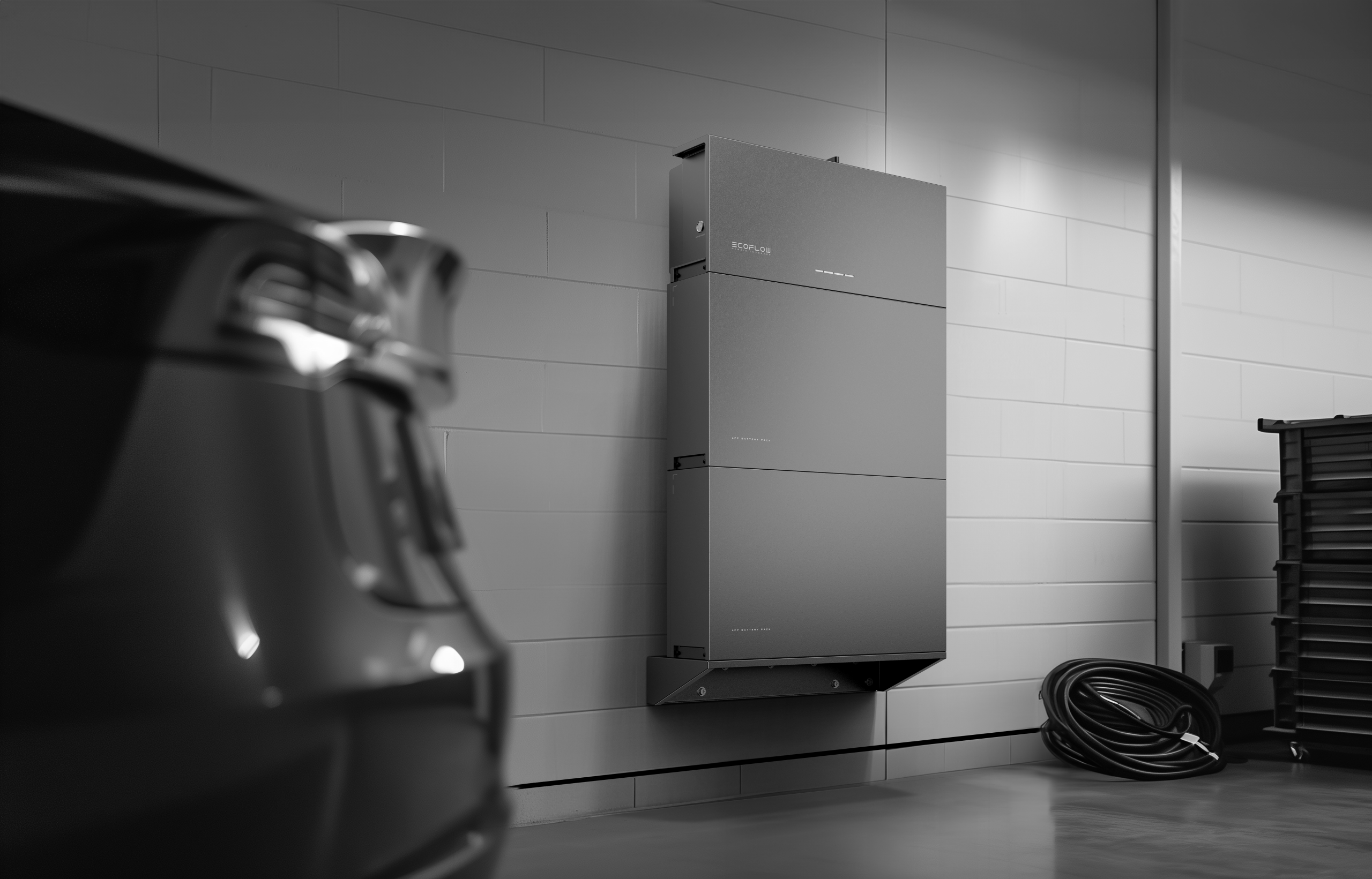
Storage, charging and household demand
Make solar part of a wider home energy plan
A residential PV system can be more valuable when it is considered alongside battery storage, EV charging and the way the home actually uses energy. JDH can help shape a system that is practical now and easier to expand later.
Storage can help shift more generated electricity into the times the home needs it, subject to usage and system design.
Charging can be planned around solar generation, load management and the property electrical supply.
Clear monitoring helps homeowners understand generation, export, import and how the system is performing.
Project route
From survey to handover without guesswork
Assess
The roof, access, electrical installation, usage and future plans are reviewed.
Design
Panel layout, inverter, protection, cable routes and monitoring are specified.
Install
The PV system is installed with tidy workmanship and careful coordination around the property.
Commission
Testing, commissioning, isolation and handover checks are completed.
Support
JDH explains operation, monitoring, export considerations and future upgrade options.
Planning and practical checks
Network Approval — Managed for You
ome solar installations require approval from your local Distribution Network Operator (DNO), who is responsible for ensuring that any new generation system can be safely connected to the electricity network.
Because inverter size and total solar array capacity directly affect how much electricity can be exported back to the grid, certain system sizes must receive DNO approval in advance of installation. This ensures your system complies with national engineering standards and can be connected without risk to the wider network.
Where approval is required, we take care of the entire application process on your behalf. Our team handles all paperwork, liaises with the DNO, and ensures your system design meets all regulatory requirements—minimising delays and removing the administrative burden from you.
Listed buildings, conservation areas, roof structure, access and local restrictions may affect the route.
Export, metering and supplier tariff requirements should be understood before assuming any return.
Access, isolation, monitoring and future inspection are considered as part of a durable installation.

Common residential solar questions
Residential Solar PV FAQs
Plan solar properly
Build home solar around the property, not a sales script.
Speak to JDH about residential solar PV, battery storage, EV charging and future-ready electrical upgrades.