
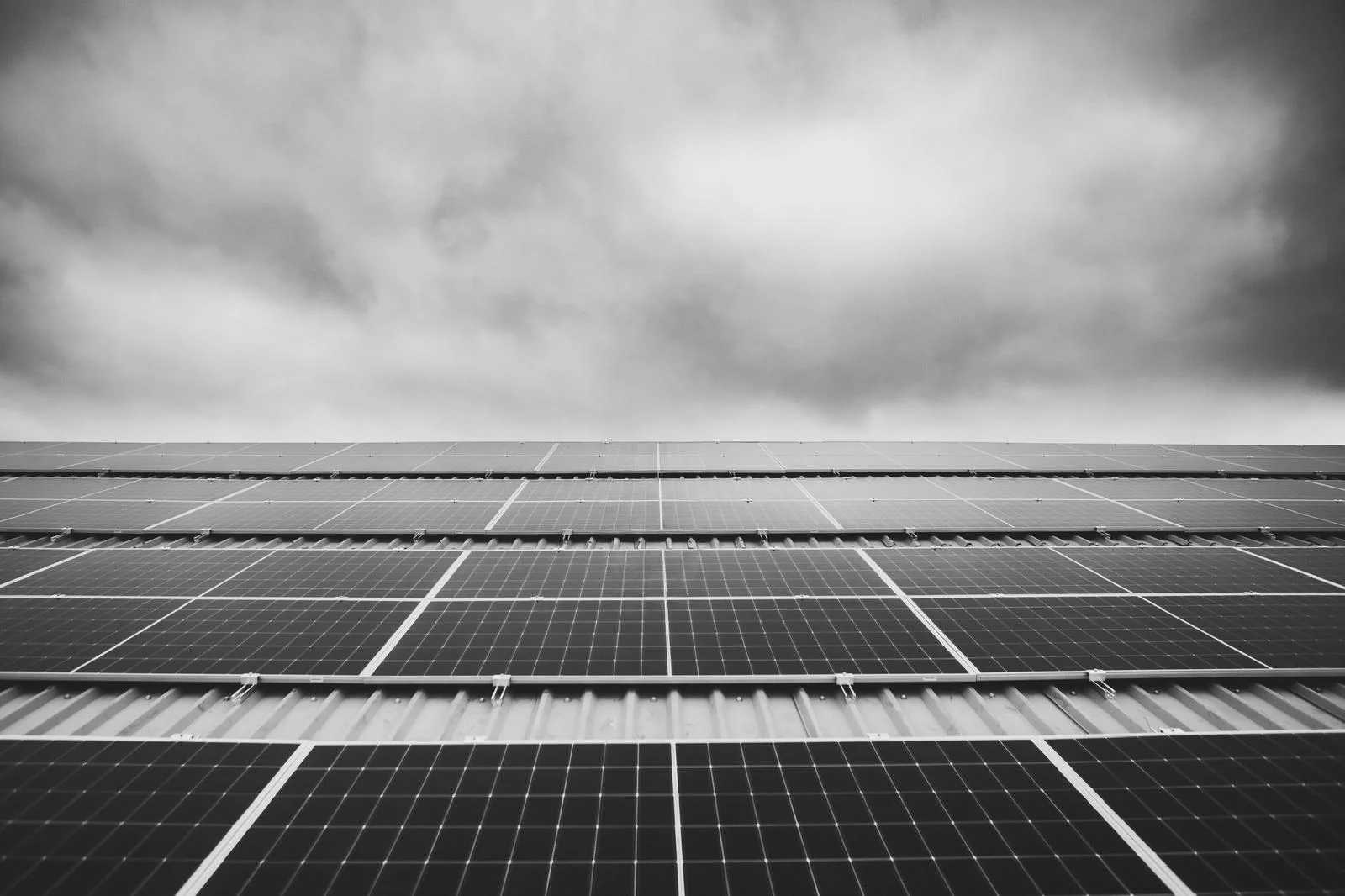
For many businesses, schools, agricultural sites and public-sector organisations, solar PV is no longer just an environmental statement. It is a practical way to improve energy resilience, reduce exposure to rising electricity costs and make better use of existing buildings. The strongest projects are the ones planned around real operational demand rather than generic assumptions.
JDH Electrical works with commercial clients across the East of England to design renewable energy systems that are safe, compliant, serviceable and built around long-term value. That means looking beyond the panels themselves and considering the building, the electrical infrastructure, the finance model and the way the site uses electricity day to day.
Understand the usage profile first
A commercial solar PV system should be shaped by consumption. A site that uses most of its energy during working hours may be able to use a high proportion of generation directly. A business with evening or weekend demand may need a different arrangement, and some sites may benefit from battery storage or phased expansion.
Useful planning information includes recent electricity bills, half-hourly data where available, opening hours, plant and machinery loads, heating and cooling demand, EV charging plans and any planned changes to the site. The aim is to design a system that supports the way the organisation actually operates.
Assess the building properly
Commercial roofs vary widely. Before a system is specified, the roof type, structural suitability, age, access, fire strategy, shading and maintenance routes should be reviewed. For agricultural and industrial buildings, fixing method and environmental exposure also need careful consideration.
The electrical side is just as important. Distribution boards, metering, cable containment, earthing, isolation, generation protection and grid connection requirements all need to be planned. Good design reduces the risk of delays, redesign and unexpected extras once work has started.
Consider funding routes without letting them drive the design
Commercial solar PV can be funded in different ways, including capital purchase, asset finance and third-party funded arrangements. The right route depends on the organisation, the building ownership, lease terms, electricity use, accounting position and appetite for long-term commitments.
Finance should support a sound technical design, not distort it. A responsible proposal should explain what is included, what assumptions have been made and how the system is expected to perform. JDH’s approach is to keep advice clear and pricing transparent, with no hidden extras and no pressure to install equipment that does not suit the property.
Think about batteries, EV charging and future expansion
Commercial solar often becomes part of a wider energy strategy. Battery storage may help some sites use more of their own generation, manage peaks or support EV charging. For other sites, it may be better to install solar now while allowing space and electrical capacity for storage or chargepoints later.
Future-proofing does not mean overspending. It means making sensible decisions on cable routes, distribution capacity, monitoring, access and equipment compatibility so that the installation remains adaptable as the site changes.
Accreditation and aftercare matter
Commercial clients need confidence that the system has been installed to a recognised standard and can be supported after handover. As a NICEIC and MCS accredited contractor, JDH combines electrical engineering experience with renewable energy expertise, using proven equipment from manufacturers with strong quality and warranty support.
A well-planned solar PV system should provide reliable performance, clear documentation and practical aftercare. For organisations in March, Ely, Huntingdon, Peterborough, King’s Lynn, Hunstanton, Grantham and the surrounding counties, JDH provides the structured advice and installation discipline needed to make renewable energy a dependable long-term asset.