
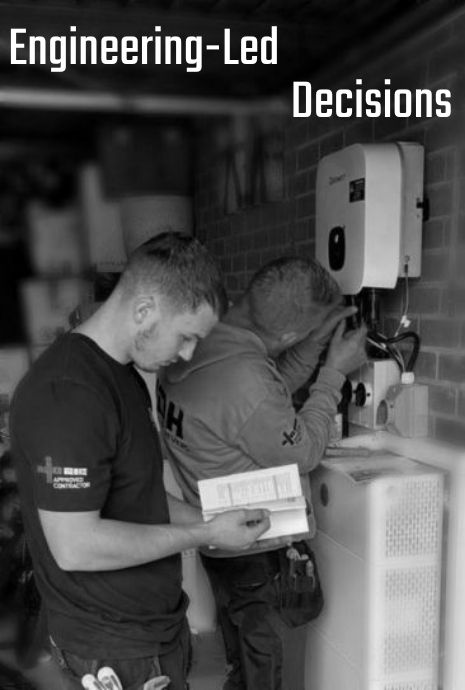
Electrical work on a new build, extension or development site has a direct effect on programme, safety and the finished quality of the property. When it is planned early, it supports the build. When it is left too late, it can create avoidable disruption, redesign and cost.
JDH Electrical supports residential, commercial, educational, agricultural and public-sector projects with electrical engineering installations across the East of England. The team’s approach is practical: understand how the building will be used, design around real requirements and deliver the work to a consistent standard.
Start before first fix
The best time to plan the electrical installation is before the building is closed up. This allows routes, containment, board locations, switching, lighting, data, ventilation, external supplies, outbuildings, solar PV, EV charging and future capacity to be considered together.
Early planning can also help avoid clashes with other trades. On active sites, this matters. A clear electrical plan supports the build sequence, protects finished surfaces and gives the client fewer surprises at the point where changes become expensive.
Design for how the property will be used
A good installation should reflect day-to-day use. Homes need practical lighting, enough sockets, safe external supplies and sensible allowance for future equipment. Commercial and agricultural buildings may need machinery supplies, three-phase distribution, emergency lighting, external lighting, security systems, data infrastructure and maintenance access.
For schools and public-sector sites, the design also needs to account for safety, durability, accessibility, out-of-hours working and the need to minimise disruption to operations.
Build in future energy requirements
Many properties now need to be ready for renewable energy and low-carbon technologies. Solar PV, battery storage, EV chargepoints and indoor air quality systems all place demands on the electrical infrastructure.
It is usually more efficient to consider these requirements during the main design rather than trying to retrofit capacity later. This does not mean every system needs to be installed on day one. It means the core electrical installation should be planned with enough foresight to support future upgrades where practical.
Keep compliance clear
Domestic electrical installation work must comply with Part P of the Building Regulations, and certain types of work are notifiable. Across all property types, electrical work should be designed, installed, inspected and tested by competent people in line with the relevant standards.
Clear certification and handover information are essential. The client should know what has been installed, how it has been tested and what documentation supports the finished work.
Programme discipline matters
On development sites, reliable delivery is as important as technical skill. Contractors need to attend when expected, coordinate with other trades, provide the right labour when the programme demands it and deal with issues without unnecessary friction.
JDH’s reputation has been built on dependable workmanship, transparent advice and end-to-end support. From first conversation to final handover, the focus is on safe, compliant installations that work for the building today and remain serviceable in the years ahead.